Editorial alias · AI style preview
Oliver’s softer style direction: longer waves, light stubble and warm color
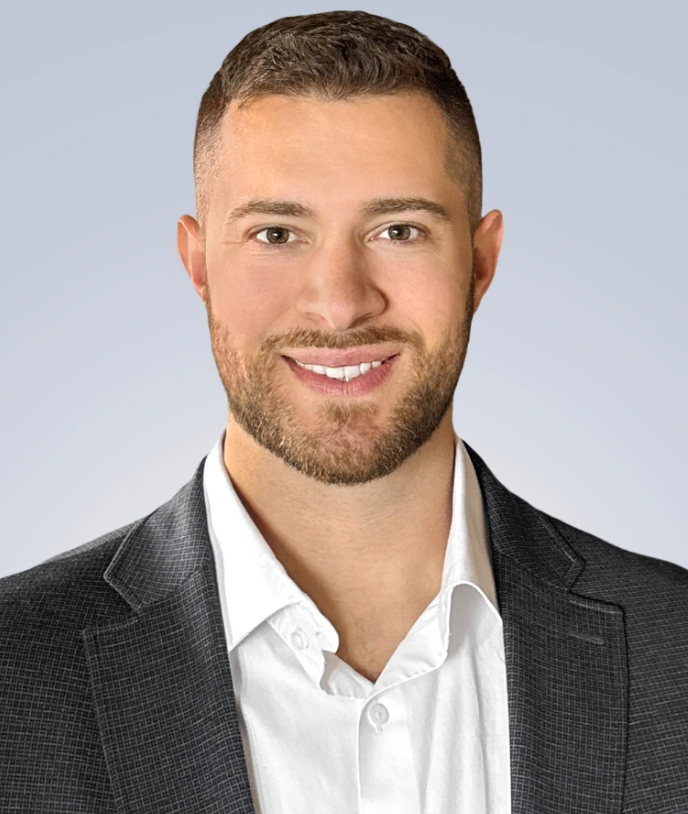
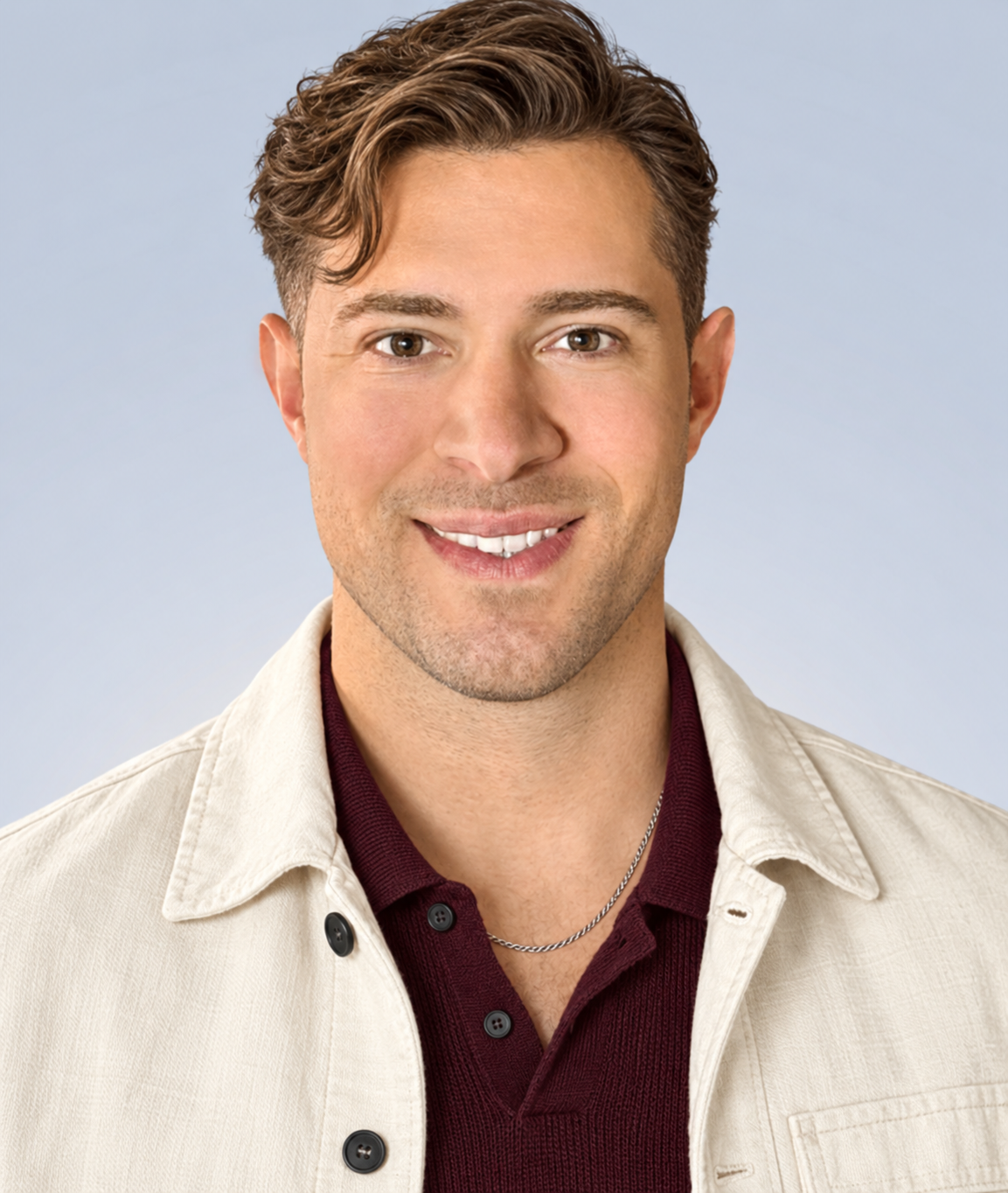
Growing more length on top can change the balance of a whole look, especially when facial hair becomes lighter at the same time. Oliver’s original portrait combines short textured hair and a neat beard with a gray checked blazer and white shirt. The preview explores a looser side sweep, a near-clean shave, an ivory chore-style jacket and a burgundy knit polo. Oliver is an editorial alias, and the alternative is an AI style preview.
Oliver is an editorial alias. The comparison pairs a supplied portrait with an AI-generated style preview; it does not document a physical makeover or a real customer outcome.
Make room for a longer side sweep
The new hairstyle has noticeably more length and movement above the forehead. Waves travel to one side, with a loose forelock falling forward while the sides stay shorter. That creates a different silhouette from the original close, compact cut. The useful idea is the contrast between a controlled side outline and a top that can move.
If you want a similar direction, talk through the growing-out stage as well as the final haircut. Your natural texture will determine how easily the wave forms. Bring a photo of your hair air-dried, and ask how much styling time the longer top would need. The generated wave is a visual possibility, not a promise about your hair.
Keep the beard decision separate
The original short beard becomes faint stubble across the cheeks, upper lip and chin. More skin is visible around the smile, and the darker outline at the jaw is greatly reduced. Alongside the longer hair, this shifts the main texture upward without requiring a completely bare shaving finish.
Try comparing facial-hair lengths before assuming they must change with the haircut. You may prefer the waves with your current beard. If you choose a close finish, think about the maintenance you enjoy and discuss an approach that suits your skin and growth pattern.
Reverse the clothing contrast
The original pairs a dark checked outer layer with a bright white shirt. In the preview, the ivory jacket becomes the light frame and the burgundy polo provides the darker center. Its knitted texture adds depth, while the jacket’s visible seams and dark buttons keep the outer layer casual.
To try this color arrangement, begin with a light jacket and one deeper-toned top. Look at them together in daylight rather than matching either shade to your screen. The point is the relationship between the layers; an existing piece in your wardrobe may create a version you prefer.
Resolve the collars and the small accessory
Both layers have collars, so their placement matters. The polo sits inside the open jacket, leaving a clear neckline for the silver-toned chain. That small metallic detail adds interest without taking attention away from the hair or introducing another large block of color.
Put on both garments, sit down and check whether either collar folds under the other. Adjust the polo opening to your comfort. If you wear a chain, try its length with the actual neckline; it should rest where you like it as you move.
Use the portrait as a starting direction
This AI-edited comparison does not document a real haircut or makeover. Hair, facial details, jewelry and fabric are approximations, and the close crop cannot establish trouser choices or full-body fit. Use the visible changes as separate decisions to test: longer waves, lighter facial hair, reversed clothing contrast and one small accessory. A wider, evenly lit reference photo will help when exploring the complete outfit with FORME.
What could work for you?
Choose a clear photo and explore a styling direction. Personal generation is being connected; no credits are used while it is unavailable.
Explore your look